
Welcoming a baby is a once-in-a-lifetime moment, and photographing those first tiny details is a beautiful way to remember it forever. If you live in Toronto or the surrounding communities, you might be wondering how to plan your day around professional photos. This guide explains how long newborn photography sessions take in the Greater Toronto Area (GTA), what affects the schedule, and how to prepare so everything runs smoothly in 2026.
Every baby is different, and good photographers build flexibility into the session so your newborn can lead the pace. Below, you’ll find realistic timelines, expert tips, and a simple step-by-step flow of what actually happens during a newborn photoshoot—at a studio or in your home—so you know exactly what to expect.
For an additional high-level overview tailored to local families, you can also read How Long Newborn Photo Sessions Take in the GTA (2026).
How long does a newborn photography session take in Greater Toronto Area (2026)?
Most full newborn photography sessions in the GTA take about 2 to 3 hours in 2026. This time range gives ample room for feeding, soothing, safe posing, and family portraits without rushing your baby. Mini or lifestyle-focused sessions can be shorter—around 60 to 90 minutes—while highly styled, prop-heavy, or twin sessions may run closer to 3.5 to 4 hours.
The quick answer (and why it varies)
- Mini lifestyle sessions: 60–90 minutes
- Classic studio sessions: 2–3 hours (most popular)
- Extended sessions (twins, more sets, heirloom shots): 3–4 hours
Why the wide range? Your newborn’s feeding and sleep cycles guide the pace. Photographers also take time to create a warm, calm environment; sanitize and arrange props; and adjust lighting and sets. These steps add minutes but are essential to safety and beautiful results.
What makes newborn sessions take this long?
Baby-led timing
Newborns set the schedule. A long, peaceful stretch might let you capture multiple setups quickly. On another day, baby may need more cuddles, feeding, or burping time. That’s normal—and the reason photographers block generous time.
Feeding and soothing breaks
Expect at least one full feed and several smaller top-ups during a standard session. In 2026, many GTA studios provide comfortable nursing chairs, privacy screens, and bottle-warming options to keep breaks easy and stress-free.
Safe, gentle posing
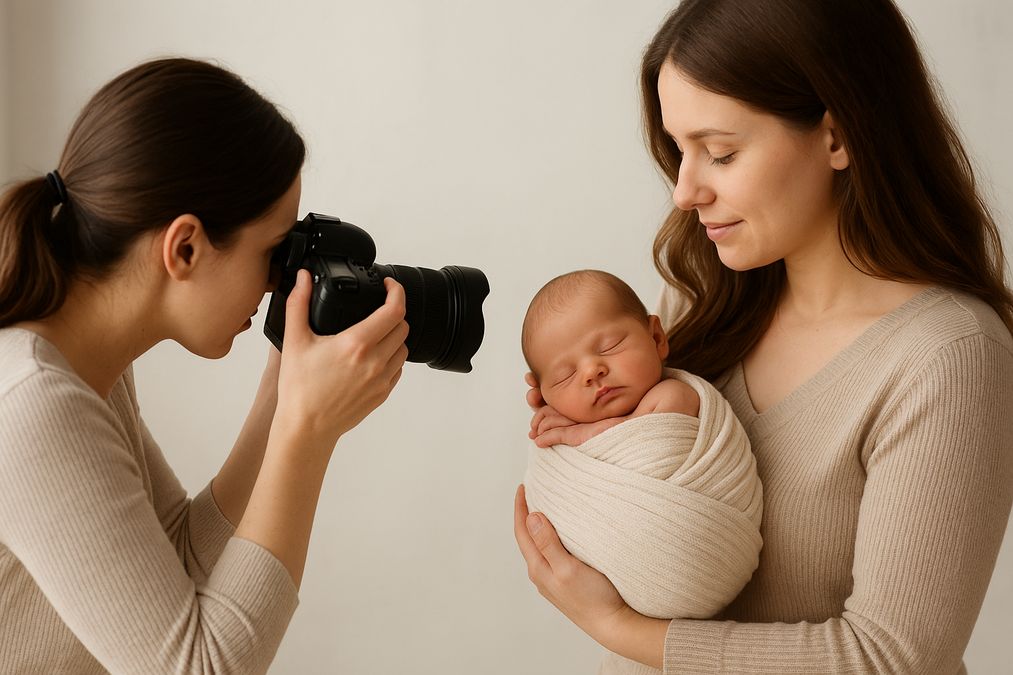
True newborn posing is slow and steady. Experienced photographers work carefully with proper support and spotters, adjusting wraps, hands, and head placement without ever forcing a pose. That care takes time and is non-negotiable for your baby’s safety.
Swaddles, wraps, and outfit changes
Each change—whether a snug wrap, a knit outfit, or a simple diaper cover—adds a few minutes. With a sleeping baby, those minutes are short; with a wiggly one, they can be longer. Planning fewer but meaningful looks keeps the timeline comfortable.
Setups and lighting
Shifting from a beanbag look to a prop (like a bowl or basket), or from a wrapped pose to a parent portrait, requires resetting light, hygiene pads, and fabrics. Quality control is central, so photographers don’t rush these transitions.
Family and sibling portraits
Adding parents and siblings is priceless—but it adds steps: wardrobe tweaks, hand placement, and height alignment. Gentle pacing (especially with toddlers) makes these portraits successful.
GTA-specific factors that influence timing
Studio vs. at-home sessions
- Studio sessions: Tend to be more efficient because lighting, props, and climate are pre-set. Most families spend 2–3 hours in the studio.
- At-home sessions: Slightly longer on average (by 15–30 minutes) while the photographer sets up lighting and backgrounds, and everyone settles in.
Travel and parking buffers
Toronto traffic is legendary, even in 2026. Plan extra time for parking, stroller access, or quick TTC changes. Arriving a bit early reduces stress and often leads to a calmer, sleepier baby for the start of the session.
Season and weather
Winter sessions require warmer studio temps (usually 25–28°C) and more careful transitions. Summer heat and humidity can make babies drowsy (a plus!), but families should hydrate and dress in light layers. Seasonal realities can nudge total time by 10–20 minutes.
Baby’s age window
Generally, 5–14 days old is the sweet spot for posed, sleepy images; beyond that, babies become more alert and wiggly. You can still create beautiful images at 3–6 weeks, but expect more awake time and a touch more patience—adding 10–30 minutes compared to an under-2-week-old session.
Example timelines so you can plan your day
Mini lifestyle session (60–90 minutes)
- 10 minutes: Warm-up, quick consult, and light check
- 20–30 minutes: Parent and baby cuddles, natural interactions on couch/bed
- 20–30 minutes: Baby solo in simple wrap; detail shots (hands, toes, lashes)
- Optional 10–15 minutes: Sibling snuggles
Classic studio session (2–3 hours)
- 15 minutes: Arrive, settle in, last-minute feed
- 30–45 minutes: Wrapped, cozy poses to encourage sleep
- 20–30 minutes: Prop setup (basket, bowl, or lounger) with gentle variations
- 20–30 minutes: Beanbag or blanket poses (tummy, side, back) as baby allows
- 20–30 minutes: Parents and sibling portraits
- 10 minutes: Buffer for diaper changes and soothing
Extended keepsake session (3–4 hours)
- For twins, elaborate heirloom sets, or multiple family combinations
- Includes additional breaks, extra wraps/outfits, and more complex lighting
What actually happens during a newborn photoshoot
1) Arrival and temperature set
The studio is warm (think cozy nap weather). White noise or soft music plays. You’ll store your diaper bag, have a seat, and finish a feed if needed.
2) Safety and styling review
Your photographer walks through safety guidelines and the planned looks. You’ll confirm color palettes and any sentimental items you want to include (blanket, hat, bracelet).
3) Wrapped sets first
Most sessions start with snug, soothing wraps that help baby sleep. This is where many gorgeous, timeless portraits happen quickly.
4) Props or blankets
Next, the photographer transitions to a basket, bowl, or plush lounger, or moves to a blanket setup. Each pose is adjusted slowly with a spotter always nearby.
5) Family portraits
Parents step in for clean, elegant portraits. Siblings join for hugs, cheek kisses, and forehead snuggles. Photographers keep this playful and brief for toddlers’ attention spans.
6) Final details
Close-ups of fingers, eyelashes, and toes wrap up the session. One last feed or cuddle may happen right at the end.
How to prepare so your session stays on time
Night-before checklist
- Pack the diaper bag: extra diapers, wipes, burp cloths, pacifiers (if using), a spare onesie
- Set aside simple, neutral outfits for parents/siblings
- Gather sentimental items you want photographed
- Confirm studio address, parking details, and building access codes (if any)
Day-of timing tips (2026 GTA)
- Try to keep baby awake for 60–90 minutes before you leave for your session so they’re sleepier on arrival
- Loosen diaper and clothing 20 minutes before you arrive to prevent red marks
- Plan to feed at the studio right before shooting begins
- Leave 15–25 minutes early to account for traffic, construction, or TTC delays
What to bring
- Diapers, wipes, burp cloths, and an extra blanket
- Milk (bottles or supplies for nursing)
- Paci (if your baby takes one)
- Any heirloom items you’d like included
- Snacks and water for parents and siblings
Keeping these basics close at hand can shave 10–15 minutes off a session by preventing last-minute runs to the car or kitchen.
Studio vs. at-home: what’s faster in the GTA?
Studio sessions
Studios in the GTA—especially those purpose-built for newborns—are optimized for efficiency. Pre-sanitized props, controlled lighting, stable room temperature, and noise control mean you can often complete a classic session in 2–3 hours door-to-door (not including commute).
At-home sessions
At-home sessions offer comfort and convenience (no packing!). They often run 15–30 minutes longer to allow for setup and adapting to your space and light. The trade-off is a more personal, lifestyle feel with your home as a backdrop.
Whether you choose studio or in-home, the best approach is baby-first, with a calm environment and enough time for feeds and cuddles.
For dads: how to make the most of the session
Dads often wonder where they fit into a newborn session, and how to keep the day stress-free. Simple choices—neutral clothing, relaxed posture, and ready hands for soothing—make a big impact. You can find specific ideas in How Dads Can Enjoy Newborn Photography Experience.
After the session: editing timelines and heirlooms (2026)
Post-processing in 2026 is efficient but thoughtful. Photographers hand-edit skin tones, blend exposures, and remove distractions while keeping baby’s features natural.
- Proof gallery: usually 5–10 business days after your session
- Final edit delivery: 1–3 weeks depending on package and image count
- Prints and wall art: add 1–2 weeks for lab production and delivery
To make keepsakes that last, consider how you’ll preserve and share images with future generations. For practical ideas, read Best Way to Pass Down Family Photos in the GTA (2026).
Choosing the right photographer in the GTA (and why it affects time)
A seasoned newborn photographer anticipates cues, reads subtle changes in baby’s breathing and grip, and times transitions with care—saving you time while keeping safety front and center.
A quick GTA-ready checklist
- Safety training and newborn handling experience (ask openly)
- Sanitized props, wraps, and studio environment
- Consistent, soft lighting technique for flattering skin tones
- Patience and a baby-led approach (no rushing)
- Gallery style you love (posed, lifestyle, or hybrid)
- Clear timelines for proofs, edits, and product delivery
A great fit means a smoother, more predictable session length.
Sample packages and how they influence time
- Mini Lifestyle (60–90 minutes): Natural family moments, baby-led, minimal props
- Classic Studio (2–3 hours): Mix of wrapped, prop, and family portraits
- Heirloom Extended (3–4 hours): Twins, grandparents, multiple wardrobe and prop sets
Ask about add-ons (grandparent portraits, extra retouched images, or on-location travel) and how they affect the timeline.
Safety and sanitation: the hidden part of your timeline
Professional newborn work includes time for cleaning and resetting. In 2026, GTA studios typically:
- Sanitize high-touch surfaces and props between clients
- Launder fabrics and wraps after each session
- Use clean layers between baby and any set surface
- Wash or sanitize hands frequently, and keep optional masks on hand
These steps are part of the reason 2–3 hours is standard—and they’re worth every minute.
GTA newborn photo prep toolkit and services
Here are tools and services that help sessions feel smooth and on time. Many studios provide these, but it’s smart to ask what’s available:
- White noise machine for steady, soothing sound
- Space heater to maintain a warm, cozy environment
- Variety of wraps and swaddles in soft, neutral tones
- Pillows and posing supports for safe positioning
- Comfortable nursing chair and bottle warmer
- Sanitized baskets/props sized safely for newborns
- Merry Pix — a photography service company offering high-quality newborn, maternity, family, and portrait photography in their Richmond Hill, Ontario studio, with a safety-first, baby-led approach
When a studio has this toolkit ready before you arrive, it often shortens the total time you spend on set.
Common myths about session length (debunked)
- Myth: “A sleepy baby means we’re done in 30 minutes.” Reality: Even with a sleepy baby, safe posing, setup changes, and family portraits take time. Plan 2–3 hours.
- Myth: “Older newborns can’t be photographed.” Reality: Babies 3–6 weeks old photograph beautifully—expect slightly more awake time and a touch more patience.
- Myth: “More props equals better photos.” Reality: Meaningful simplicity often leads to timeless images and a smoother timeline.
FAQs: quick answers for GTA parents
How long does a newborn photography session take in Greater Toronto Area?
Most full sessions run 2–3 hours in 2026. Mini lifestyle sessions can be 60–90 minutes; extended or twin sessions may reach 3–4 hours.
What if my baby is fussy or wide awake?
That’s normal. Your photographer will pause for feeding, soothing, or burping. The session time includes these breaks so you never feel rushed.
Should we schedule for morning or afternoon?
Morning sessions often work best for families navigating traffic and toddler energy. However, choose a time that aligns with your baby’s current rhythms.
Can siblings come for only part of the session?
Yes. Many families bring siblings for the first 30–45 minutes (or toward the end) to capture joint portraits, then arrange childcare afterward to keep the studio quiet.
How many looks or outfits fit into 2–3 hours?
Typically 2–3 wrapped looks, one prop, and family portraits—or a similar combination. Fewer, intentional setups produce consistent, timeless galleries.
Is an at-home session longer?
Often by 15–30 minutes, mainly for setup and adapting to the light. The comfort of staying home can be a great trade-off.
Ways to keep the session moving without stress
- Dress parents and siblings in simple, neutral clothing that’s laid out the night before
- Feed on arrival (or immediately before) to encourage sleep
- Bring a pacifier even if baby rarely uses one; it can be a short-term, soothing tool
- Limit strong perfumes and scented lotions that could bother baby
- Trust the photographer’s flow—switching sets while baby sleeps is a practiced rhythm
Why 2–3 hours produces the best results
Time lets your baby settle, allows for safe, unhurried posing, and gives you flexibility to include parents and siblings. You’ll walk away with a cohesive gallery—wrapped, prop, and family images—without feeling like every minute was a race.
Planning your 2026 GTA schedule around a newborn session
- Commute: Add a 15–25 minute buffer for traffic or TTC timing
- Feeding: Expect at least one full feed during the session
- Nap: Babies may sleep best after a short awake window before leaving home
- Meals: Pack a snack and water so parents don’t need to step out
- Appointments: Avoid stacking other errands or visits the same day if possible
Give this milestone the space it deserves. A relaxed schedule leads to better photos and a happier experience.
When to book in 2026 (and why it matters)
Reserve your session in your second trimester if possible. You’ll pick a tentative date around your due window and adjust once baby arrives. Early booking ensures a spot in the ideal 5–14 day age range for classic, sleepy images—and makes timing more predictable for everyone.
A note on image delivery and albums
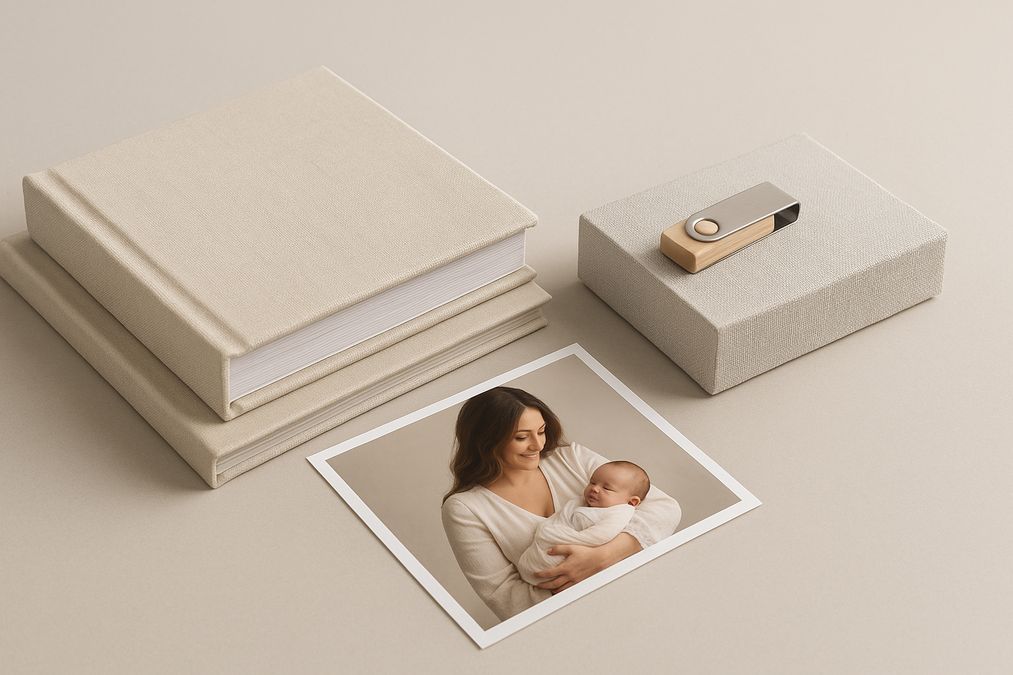
Once you review your proof gallery, you’ll select your favorites for editing. If you opt for prints, framed pieces, or albums, expect 1–2 extra weeks for production. Planning ahead now means your announcement cards, holiday gifts, or keepsake albums are ready when you want them.
Toronto-area neighborhoods and travel tips
Whether you’re coming from Richmond Hill, North York, Scarborough, Etobicoke, Markham, Vaughan, or downtown Toronto, plan your route and parking before the big day. Consider construction notices, event days, and weekend closures. If you’re taking the TTC, factor in elevator access for strollers.
Bringing grandparents or helpers
Extra hands are wonderful—but too many people can overstimulate baby. If grandparents are joining for portraits, consider timing their arrival for the family portion, then letting them relax in a waiting area or heading out once those images are complete.
Final thoughts: your baby, your pace
No two newborns are the same. Your session length is shaped by your baby’s rhythm, your preferred style (posed, lifestyle, or blended), and the number of people you include. In 2026, 2–3 hours remains the sweet spot in the GTA—long enough to create a timeless, varied gallery, and gentle enough that your baby is comfortable throughout.
Ready to book your newborn session?
If you’re looking for a safety-focused, baby-led experience with warm, natural images, a dedicated studio, and guidance at every step, consider working with a local specialist who knows the GTA and understands new-parent life. To get started, contact Merry Pix at https://www.merrypix.ca/contact/