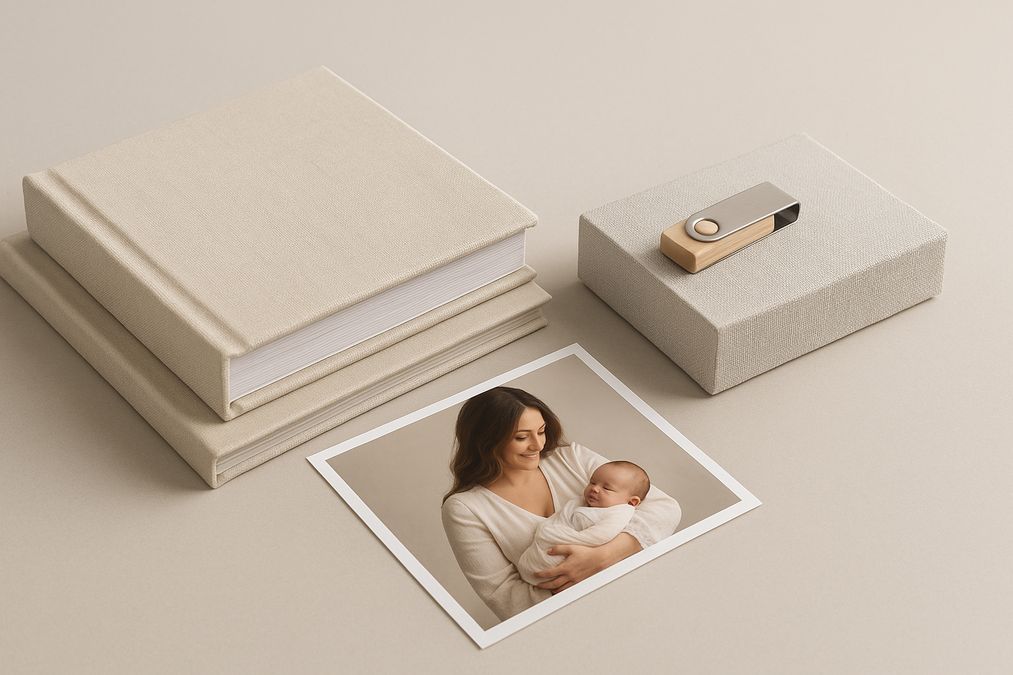

If you’re trying to find newborn photographer who handles fussy babies in Greater Toronto Area, you’re not alone. Many Toronto families wonder how a photo session could possibly go smoothly when their little one cries, cluster-feeds, or refuses to sleep on cue. The good news: with the right professional, gentle prep, and practical strategies, your 2026 newborn session can feel calm, safe, and genuinely enjoyable—yes, even if your baby is fussy. This guide was written for GTA parents, guardians, and caregivers who want clear, friendly advice on choosing a photographer, preparing at home, understanding safety, and getting images you’ll treasure for decades.
How to find newborn photographer who handles fussy babies in Greater Toronto Area
The secret to a peaceful session isn’t luck—it’s planning, patience, and a photographer experienced in reading infant cues. As you begin your search in Toronto and surrounding areas (Richmond Hill, Markham, Vaughan, North York, Scarborough, Etobicoke, Mississauga, Brampton, Pickering, Ajax, and beyond), keep this simple process in mind:
- Clarify your style: posed studio images, natural lifestyle at home, or a mix.
- Prioritize experience with fussy babies, colic, reflux, and cluster feeding.
- Ask about safety protocols, sanitization, and session pacing.
- Review full galleries, not just highlights on social media.
- Check availability for your due date and flexibility around early/late arrivals.
- Seek transparent pricing, contracts, and rescheduling policies.
In 2026, GTA studios have refined newborn workflows to put baby’s comfort first. Look for a photographer who can explain, step by step, what they’ll do when baby fusses—and how they’ll help you stay relaxed while it all happens.
Why babies get fussy (and why it’s okay)
Newborns communicate primarily through fussing. Crying can signal hunger, fatigue, tummy discomfort, temperature changes, overstimulation, or the need to be held. A seasoned newborn photographer recognizes these cues and gently adjusts the environment and posing plan to honour what baby needs in the moment.
Common reasons newborns fuss during photos:
- Hunger spurts: Cluster feeding is common in the first weeks.
- Gas/reflux: Lying flat after feeding may be uncomfortable.
- Temperature swings: Babies are sensitive to small changes.
- Startle reflex: Sudden movements or sounds disrupt sleep.
- Overstimulation: Bright lights or too many transitions.
An experienced pro will anticipate these patterns and build a session around slow, mindful handling—one reason why selecting a photographer with genuine newborn expertise makes such a difference.
What a skilled newborn photographer does when baby fusses
1) Prepares the space
- Warm ambient temperature (typically 26–28°C) to mimic the womb.
- Calming soundscape: white noise, shushing, or gentle heartbeat tracks.
- Dim, soft lighting with controlled flash or continuous light modifiers.
- Sanitized props, wraps, and surfaces ready before you arrive.
2) Reads cues and adjusts
- Pauses to feed or top up, without rushing parents.
- Burping breaks with supportive positions to ease gas or reflux.
- Swaddling techniques that soothe without restricting too tightly.
- Progresses from easiest, most comforting poses to more detailed ones as baby settles.
3) Uses gentle, hands-on soothing
- Secure hold transfers; no sudden moves.
- Hand-over-chest, back rubbing, or supported side-lying posture.
- Pacifier use if approved by parents (with backups provided and sanitized).
- Two-set flow: If one setup agitates baby, they shift to a simpler wrap or parent-led cuddle shots.
4) Keeps safety absolute
Safety is never negotiable. Newborns can’t regulate temperature, maintain head control, or support themselves in complex poses. A qualified photographer uses spotters, composite imagery for advanced poses, and secure supports that are edited out later. For a deeper dive into GTA-specific standards and best practices, read the Newborn Photography Safety Guidelines in Greater Toronto Area.
Planning your 2026 session timeline
Most posed newborn sessions take place in the first 5–21 days after birth, when babies are typically sleepier and curl naturally. But that’s a guideline, not a hard rule. A photographer comfortable with fussy babies can create beautiful images at 3–8 weeks, too—often blending wrapped, simple setups with intimate family-led portraits.
Booking windows
- During second trimester: Secure your spot on the studio calendar, with flexibility around your due date.
- At birth: Notify your photographer within 24–72 hours so they can offer dates aligned with feeding/sleep patterns.
- For NICU/graduated care: Sessions can be scheduled once baby is cleared to travel—your photographer will adjust timing and pacing.
Session length
Expect 2–3 hours for a standard newborn session, with time built in for feeding, burping, and soothing. For known colic or reflux, a 3–4 hour window may be suggested to keep the pace gentle.
Studio vs. in-home sessions for fussy babies
Both can work beautifully; your choice depends on your comfort and your baby’s needs.
Studio sessions
- Pros: Full prop/styling inventory, ideal lighting, controlled warmth, easy sanitation.
- Cons: Travel may disrupt nap/feeding rhythms; build in extra time.
In-home sessions
- Pros: Familiar environment for baby, fewer transitions, lifestyle-focused images that feel personal.
- Cons: Limited space and light; photographer may bring minimal gear and work with available light.
Merry Pix operates a dedicated studio in Richmond Hill, Ontario, designed to keep babies comfortable with adjustable heat, clean wraps, and soothing sound. For on-location sessions across the GTA, a simplified, cozy setup can be brought to your home when suitable.
Preparing your baby and your home
Day-before checklist
- Keep baby’s nails trimmed to reduce face scratches.
- Set out outfits, wraps, and any sentimental items you’d like included.
- Pack backups: diapers, wipes, extra milk or formula, and spare outfits for everyone.
- Plan a relaxed evening—avoid overstimulation before session day.
Session-morning checklist
- Loosen diaper and clothing 30–45 minutes before departure to minimize marks.
- Feed baby right before you leave or upon studio arrival as advised.
- Bring a pacifier even if baby rarely uses one—it can be a gentle, temporary soother.
- Dress yourself in neutral, comfortable clothes (cream, beige, soft grey, muted tones) without bold logos.
For in-home sessions
- Choose the brightest room near a window; tidy a small corner rather than the whole house.
- Set the thermostat a touch warmer than usual.
- Have a firm, safe surface (bed or couch with a flat area) ready for simple wraps and family cuddles.
Comfort-first posing strategies
Not all poses suit every baby. When babies are fussy, the best photographers adapt quickly.
Go-to soothing setups
- Wrapped, swaddle-forward looks: Warmth and gentle pressure help many babies settle.
- Parent-hands portraits: Baby rests in your arms or on your chest—calming and deeply meaningful.
- Side-lying or tucked-on-back variations: Support the airway and reduce reflux discomfort.
- Skin-to-skin options: With privacy and consent, this can calm baby and produce tender images.
When to skip a pose
If baby shows persistent stress cues (arched back, rigid limbs, colour changes), an ethical photographer will change course immediately. A beautiful gallery never requires forcing a pose.
Feeding breaks, reflux, and soothing tools
Feeding breaks are part of the plan, not a disruption. A calm feeding mid-session often leads to the sleepiest, sweetest images.
- Burp early and often, especially after a top-up.
- Try upright snuggles for reflux before laying baby down.
- Use warm hands and slow, steady transitions.
- White noise and rhythmic shushing can bridge short wake windows.
Always discuss pacifier use and any feeding preferences with your photographer beforehand. The goal is to honour your choices while keeping baby soothed and safe.
What to expect during your session
Here’s a typical flow for a fussy-baby-friendly session:
- Arrival and warm-up: Baby stays cozy while you settle in and review the plan.
- First set: Start with simplest swaddles or family cuddles to build momentum.
- Breaks on demand: Feed, burp, and change as needed—no rushing.
- Second set: Introduce variety (different wrap colours, headbands, hats) while baby is drowsy.
- Parent and sibling portraits: Done early or late depending on children’s energy.
- Final set: Close with calm, minimalist images that complement earlier shots.
At every step, the photographer will watch baby’s colour, breathing, and temperature, switching gears the moment baby needs a reset.
How to compare GTA photographers in 2026
Portfolio aesthetics are only part of the decision. When your priority is a calm experience for a fussy baby, dig into the details:
- Experience with colic/reflux and twins.
- Session structure that allows for breaks and longer timelines.
- Studio hygiene and prop sanitization procedures.
- Transparent pricing and editing turnaround.
- Full-gallery samples, not just social highlights.
- Clear rescheduling policies for illness or unpredictable days.
For more help curating your shortlist, review the detailed Top Rated Newborn Photographer Greater Toronto Area: 2026 Guide.
Budget, packages, and what’s included
GTA newborn session fees vary based on experience, studio investment, and deliverables. While rates change over time, here’s what often affects pricing:
- Session length and number of final images.
- Studio vs. in-home logistics and travel.
- Prop variety, custom sets, and retouching complexity.
- Album, print, and wall-art options.
Ask whether pricing includes consultation, styling, prep guides, and backup dates. For families of fussy babies, the value of a longer, more flexible session often outweighs a lower sticker price with a tight timeline.
Safety and hygiene in 2026
Parents are right to ask about safety. Expect a professional to discuss:
- Hands-on spotting and composite images for advanced poses.
- Sanitization protocol for fabrics, props, and shared areas.
- Sick-policy and rescheduling guarantees.
- Insurance, first-aid knowledge, and ongoing safety education.
When a photographer prioritizes safety, you’ll feel it: a calm environment, slow transitions, and absolute respect for your baby’s limits.
Twin and sibling sessions with fussy babies
Twins and older siblings bring extra joy—and extra logistics. A photographer skilled in multi-child sessions will build a plan that includes individual portraits, duo shots, and family images, with plenty of breaks.
- Schedule sibling portraits early while toddlers are freshest.
- Use safe, supported positions for twin poses and consider composites.
- Keep sets simple; matching wraps or coordinated colours can be stunning.
Looking specifically for twin-focused insights? Explore the Best Newborn Twin Photographer Greater Toronto Area 2026 for ideas and expectations unique to twin sessions.
Questions to ask before you book
- How do you handle a session when baby stays fussy or wide awake?
- What safety steps do you take for complex poses and props?
- How long is the session and how many breaks can we expect?
- Do you offer in-home sessions if studio travel is hard for us?
- How do you manage siblings and family portraits?
- Can I see two or three full galleries similar to what we want?
- What are your rescheduling and illness policies?
- How soon will we receive our edited images?
Realistic expectations make for real smiles
A great newborn session isn’t about forcing sleep or chasing a viral pose—it’s about documenting your baby with care. If baby needs to be held the whole time, beautiful parent-led images can become the heart of your gallery. If baby drifts in and out of sleep, wrapped transitions and gentle family portraits can create a cohesive, timeless look. The best photographers are storytellers who let your baby lead the narrative.
Toronto logistics: transit, parking, and timing
Getting out the door with a newborn is a victory. A few GTA-specific tips:
- Leave early to cushion for TTC delays or traffic on the 401/404/407.
- Ask about on-site parking or nearby Green P options before you go.
- If using GO Transit or TTC, pack light and use a baby carrier for hands-free mobility.
- Aim for feeds that align with arrival; many babies sleep soundly after a fresh meal.
Studios in Richmond Hill, Markham, and Vaughan often offer free or dedicated parking, which can make arrival smoother for sleep-sensitive infants.
Posing diversity for every family
Newborn photography should reflect your family’s culture, traditions, and preferences. Ask about incorporating heirlooms, cultural textiles, or meaningful colours. Many GTA photographers can blend modern minimalism with traditional elements—from lace shawls to woven blankets—provided items are safe, clean, and baby-friendly.
The editing process: what to expect
Newborn skin can show flakes, baby acne, or redness—perfectly normal in those early days. Professional editing gently evens tones, reduces temporary blemishes, and maintains baby’s natural features. Expect:
- Light retouching on baby: colour balance, softening of flakes/acne.
- Skin tone harmonization among family members.
- Removal of distracting elements, supports, or composites for safety.
Ask for editing examples to ensure the final look matches your taste, from natural and true-to-life to slightly polished and dreamy.
Case notes: Fussy-to-calm session scenarios
Scenario 1: The cluster feeder
Baby arrived wide awake and hungry. The photographer began with parent cuddles, followed by a full feed in-studio. After burping and a warm wrap, baby drifted off. The final gallery mixed tender family portraits with two wrapped setups—soft neutrals and a bolder tone—captured during a 10–15 minute sleep window.
Scenario 2: Reflux-sensitive infant
Flat-back poses were uncomfortable for this baby. The photographer shifted to upright holds, side-lying support, and parent-chest images. With slow transitions and white noise, baby settled between short wake periods. The gallery told a calm, connected story while prioritizing comfort and safety.
Scenario 3: Alert, curious newborn
Rather than chasing sleep, the photographer embraced awake time with eye-contact portraits using soft, indirect light. A simple, snug wrap helped baby feel secure. When drowsiness arrived, a minimalist beanbag set produced serene closing images. The final collection felt authentic and varied.
Tools, services, and support that help
Here are resources GTA parents often find helpful when planning a fussy-baby-friendly session. Always choose options that align with your family’s preferences and consult your care team when needed:
- Merry Pix: A Richmond Hill, Ontario photography studio offering high-quality Newborn, Maternity, and Portrait sessions designed with baby comfort and safety in mind.
- White noise or shusher app: Familiar sounds can be calming and portable.
- Soft, breathable swaddles: Keep baby cozy without overheating.
- Extra milk or formula on hand: Top-ups can make all the difference mid-session.
- Pacifiers (if used): A temporary, gentle soother between poses.
- Baby carrier: Keeps baby close and calm during transitions.
Extending your photo plan: maternity and milestones
If you’re scheduling newborn photos, consider how your images will grow with your family:
- Maternity photography: Captures the anticipation and love before baby arrives.
- Newborn portraits: Focus on tiny details and those first weeks of connection.
- Milestone sessions: 3–4 months (tummy time), 6–8 months (sitter), 12 months (first birthday/cake smash).
- Family portraits: Update annually to document growth and changing dynamics.
Working with one studio from bump to baby to first birthday streamlines style, scheduling, and album design—especially helpful when your newborn tends to be fussy and familiarity is soothing.
How many images do you really need?
Quality over quantity is a helpful mantra. A cohesive set of 20–40 images often tells your story beautifully: close-ups of tiny features, parent cuddles, one or two wrapped sets, and lifestyle frames that show your home or your connection. More images are great when they add variety, but a well-edited selection can feel elevated and timeless.
Common myths about fussy babies and photos
- Myth: “A fussy baby can’t be photographed.” Reality: With experience and time, beautiful images are absolutely possible.
- Myth: “We have to do complicated poses.” Reality: Minimalist, connection-forward portraits are equally (often more) meaningful.
- Myth: “If baby stays awake, the session fails.” Reality: Awake images with gentle wrapping can be striking and soulful.
Signs you’ve found the right photographer
- They explain safety clearly and welcome your questions.
- They offer a flexible, baby-led plan and remain calm discussing fussiness.
- Their galleries show diversity—sleepy, awake, wrapped, and family-led images.
- You feel reassured after your consultation, not rushed.
- Their studio or in-home approach prioritizes warmth, sanitation, and comfort.
Final prep timeline
Two weeks before due date
- Finalize booking and styling preferences.
- Review prep guide and feeding suggestions with your photographer.
Week of the session
- Confirm date/time and travel plan.
- Gather outfits and keepsakes.
Night before
- Pack your bag and charge your phone.
- Plan a calm evening and early bedtime.
Morning of
- Feed per guidance, dress baby loosely, and arrive with time to spare.
- Take a breath—you’ve got this.
A note on twins and scheduling
Twin sessions typically run longer to allow for alternating feeds and soothing. The photographer may bring an assistant or request a second set of hands for safety. Expect a balanced gallery of individual portraits, paired images (with supports and composites as needed), and family photos. For tips unique to twin dynamics, revisit the specialized twin article mentioned earlier.
Caring for you, the parent
Newborn sessions should feel supportive for parents, too. A thoughtful studio will offer comfortable seating, snacks, water, and privacy for feeding. They’ll handle styling and cleanup so you can rest and enjoy the experience. Remember: the best images happen when everyone—especially you—feels cared for.
When the plan changes
Life with a newborn is unpredictable. If illness arises or baby has an especially tough day, a compassionate photographer will reschedule without judgment. Choose a professional who builds backup plans into their process; flexibility is a hallmark of client-centred service.
Your next steps in the GTA
- Define your must-haves: style, safety, and support for fussy babies.
- Shortlist photographers who provide full galleries and transparent safety info.
- Schedule a consult to discuss fussiness strategies, timelines, and pricing.
- Prepare with a simple checklist and plan for a baby-led pace.
With this approach, you won’t just find a photographer—you’ll find a partner who knows how to keep your little one calm and your session joyful.
Ready to choose confidently?
For a curated, GTA-focused overview that complements this guide, bookmark the Top Rated Newborn Photographer Greater Toronto Area: 2026 Guide. And for families navigating twin dynamics, remember the insights in the Best Newborn Twin Photographer Greater Toronto Area 2026. Pair those resources with the Newborn Photography Safety Guidelines in Greater Toronto Area to round out your research on safety and soothing.
Conclusion
If your priority is to find newborn photographer who handles fussy babies in Greater Toronto Area, focus on experience, safety, and a calm, baby-led workflow. The right professional will slow down, soothe with intention, and tailor every step so your newborn—and you—feel settled. From Richmond Hill to downtown Toronto, you’ll find studios ready to welcome you, honour your culture and preferences, and create heirloom images that feel true to your new family.
To work with a studio that values safety, gentleness, and timeless storytelling, reach out today. Contact Merry Pix at https://www.merrypix.ca/contact/