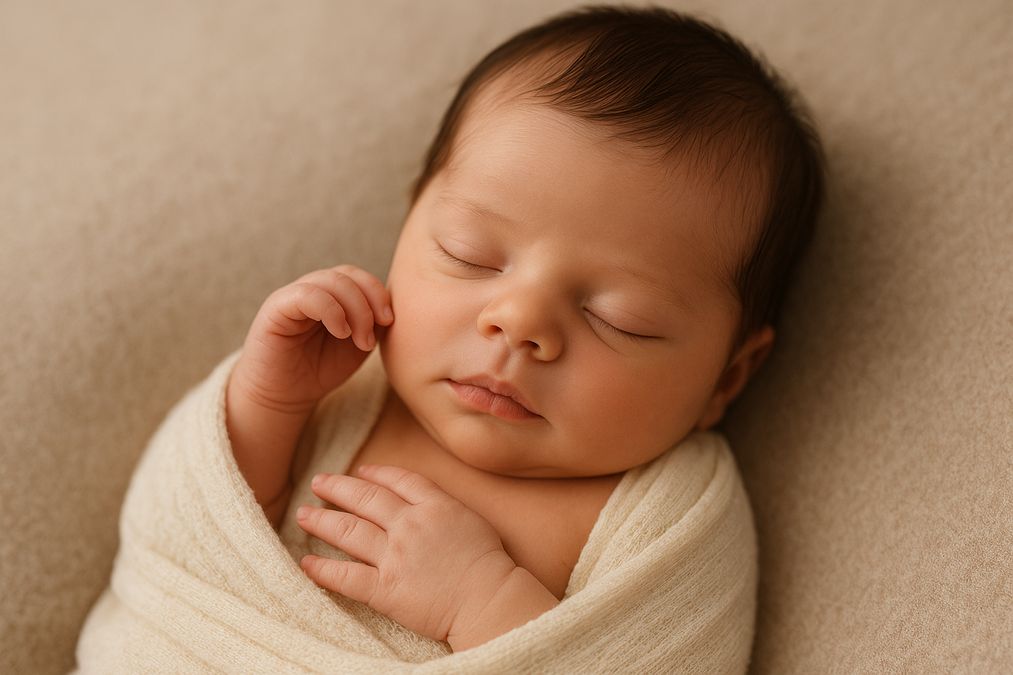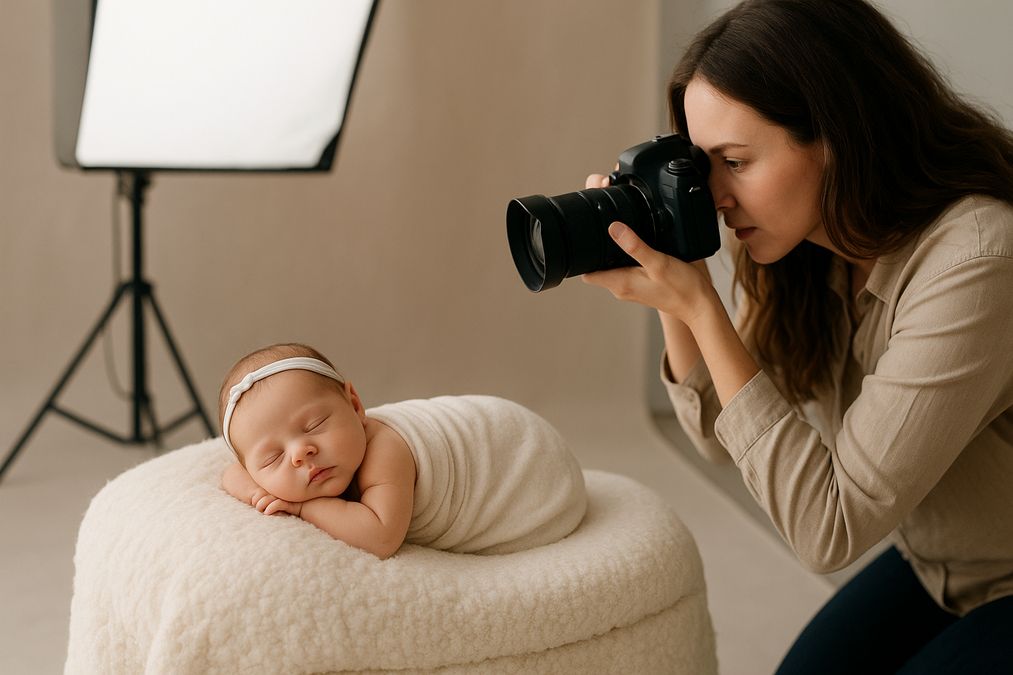

Welcoming a new baby is a beautiful whirlwind, and photos are one of the best ways to freeze those early, once-in-a-lifetime moments. But what happens when your little one decides to stay wide awake on session day? If you’re in Toronto or the Greater Toronto Area (GTA) and worried that your newborn won’t drift off for the camera, you’re not alone. Many families arrive at the studio feeling anxious about sleep. The good news: calm, safe, and stunning galleries are absolutely possible with an alert baby. With the right preparation and a flexible approach, your session can be joyful, unhurried, and full of genuine expressions—no matter how much shut-eye your newborn gets.
Newborn photoshoot tips when baby won’t sleep in Toronto
In 2026, Toronto families are busier than ever, juggling appointment schedules, condo living, traffic, and unpredictable weather. Add a brand-new human to the mix and it’s normal to feel overwhelmed. This guide brings you simple, professional strategies for a successful newborn photoshoot, even when baby stays bright-eyed. You’ll learn how to prep at home, what to bring, how to time feedings, what to expect in a professional studio, and how photographers safely capture beautiful images of awake newborns. Whether you’re planning an in-studio session in Richmond Hill or an at-home shoot in downtown Toronto, you’ll walk away ready and confident.
Why some Toronto newborns stay awake on session day
Newborns are tiny but complex. Their sleep cycles are short, and they’re still adjusting to a brand-new world. A few Toronto-specific reasons babies may be extra alert before photos:
- New environments: Moving from home to a studio or having a photographer come over can stimulate your baby’s senses—new sounds, scents, and temperatures can perk them up.
- Transit-related wake-ups: Car seat transfers, rides on the DVP or 401, and quick stops can interrupt drowsy periods.
- Temperature shifts: In winter, your baby may be bundled for the cold and wake when layers are removed; in summer, AC changes can startle sensitive newborns.
- Growth spurts: Around 7–14 days, babies often cluster feed or experience a little leap in alertness.
All of this is normal. The aim isn’t to force sleep; it’s to create gentle, soothing conditions and a flexible plan that works for however your baby shows up on the day.
Before the session: an easy prep checklist for 2026
Simple, consistent preparation beats rigid schedules. Use this easy, Toronto-tested checklist the day before and the morning of your session.
The day before
- Keep baby’s routine familiar: No need to stretch wake windows or skip naps. Staying on your normal rhythm reduces stress for everyone.
- Lay out outfits: Choose neutrals and soft textures for parents and siblings. Avoid bold logos or neon colours that can colour-cast onto baby’s skin.
- Hydrate and rest: Parents matter! Drink water, prep snacks, and aim for an early night where possible.
- Pack your bag: Diapers, wipes, burp cloths, extra onesies, a pacifier (if using), swaddles, receiving blankets, and any sentimental items you’d love photographed.
The morning of
- Warm bath (optional): A brief, comfortably warm bath can relax baby and help with skin flakes before close-up detail images.
- Dress baby in easy layers: A zip sleeper without a onesie underneath makes transitions simpler at the studio.
- Time a full feed on arrival: If possible, offer a good feeding once you reach the studio or just before the photographer begins. A full tummy is the most reliable sleepy-time helper.
- Burp thoroughly: Gently remove gas bubbles to prevent discomfort that can keep baby alert.
- Keep it calm: Play soft white noise and dim lights as you finish getting ready.
Studio or at-home? Toronto and GTA options explained
Both settings can beautifully suit an awake baby—what matters most is safety, comfort, and a photographer who is confident working with alert newborns.
At the studio (for example, Richmond Hill)
Studios are controlled environments designed with newborns in mind. Professional spaces are typically warmed to baby-comfortable temperatures, have multiple clean backdrops and props ready, and are equipped with white noise, soothing aids, and sanitation supplies. Parents enjoy the ease of arriving with baby and letting the team handle setup and cleanup. For GTA families coming from Toronto cores like Leslieville, Liberty Village, or North York, scheduling travel around non-peak times can support baby’s drowsiness during the drive.
At home (Toronto condos, townhouses, or detached homes)
Home sessions reduce travel and keep baby’s environment familiar. They often feature lifestyle images—baby in your arms, in the crib, or snuggled on the sofa. If your home runs cool, pre-warm the main room to approximately 24–26°C before the photographer arrives. Open blinds for natural light, clear one neutral corner, and keep a few soft blankets nearby.
Pro-approved soothing strategies (gentle and safe)
If your baby seems determined to soak up every second with eyes open, try one or two of these at a time. The goal is calm curiosity, not deep sleep at all costs.
- White noise: A steady “shhh” sound mimics the womb. Keep it at a safe volume and distance, just enough to mask sudden noises.
- Layered swaddling: A stretchy wrap over a thin swaddle can provide the “just right” snugness. Keep hips loose and monitor baby’s temperature.
- The “sway and pause”: Slow, small sways, then pause completely before placing baby down, repeating until baby relaxes.
- Hands on chest: Gentle, steady pressure over the swaddle can reassure baby during transitions or posing.
- Pacifier (if used): A short, situational use can help baby settle for key frames. If you’re choosing to skip pacifiers, that’s perfectly fine—your photographer can adjust.
- Skin-to-skin: A 5–10 minute reset on a parent’s chest can calm even the most alert babies.
If crying escalates, take a break. For more step-by-step calm-down ideas, see this supportive guide on what to do if baby cries during a newborn photoshoot in Toronto.
When baby won’t sleep: a posing plan that celebrates awake moments
Classic “froggy” or chin-in-hands images are composites performed by trained professionals and are typically safest when baby is fully settled. If baby is alert, your photographer should shift to poses that prioritize stability and natural movement. A go-with-the-flow plan might include:
- Swaddled wraps on a firm surface: Secure, neutral-coloured wraps with simple headbands or caps.
- Tucked side-lying poses: Support baby’s back with rolled cloths; keep the neck neutral.
- Parent-supported poses: Baby cradled in your arms, over your shoulder, or in a gentle “V” of your hands—these are wonderful even with bright eyes.
- Detail macros: Lashes, lips, tiny fingers, toes, whorl of hair, flaky skin textures—timeless art whether baby sleeps or stares. For inspiration, explore these newborn tiny-details portraits in the Greater Toronto Area.
- Story-driven lifestyle frames: Feeding, burping, or a quiet cuddle—your real life is beautiful and worthy of documenting.
The result? An authentic gallery with a clean, consistent look that prioritizes your baby’s comfort while showcasing your family’s love.
Safety first in 2026: what parents should know
In every newborn session, safety is non-negotiable. Here are must-haves you can expect from a professional newborn photographer:
- Hands-on support: A spotter (often an assistant or a parent) always within reach for elevated or composite setups.
- Cleanliness: Washed fabrics, sanitized props, and frequent hand hygiene between setups.
- Temperature awareness: Baby should feel warm but not sweaty; photographer adjusts room heat and breaks as needed.
- Breathing and circulation checks: Monitoring colour, temperature of extremities, and unobstructed airways in every pose.
- Consent and transparency: Clear explanations of each setup so you can opt in or out; composites are discussed openly.
If your baby was premature, has reflux, tongue tie, or any health considerations, share this in advance so your photographer plans appropriately. When in doubt about a health concern, consult your pediatrician for guidance.
Parent participation: roles that make sessions smoother
You don’t have to do much—your photographer will lead. But these small contributions can be game-changers when baby won’t sleep:
- Arrive in soft layers: Studio warmth means you’ll appreciate the option to remove a cardigan or overshirt.
- Stay flexible on feeding: We’ll pause whenever baby asks; cluster feeding is normal and welcome.
- Gentle holds: Follow simple hand placements; don’t worry about “perfect”—we’ll guide you and fine-tune in-camera angles.
- Model calm: Babies are perceptive; your relaxed tone and slow movements help them settle.
Wardrobe and styling that flatter awake babies
When baby’s eyes are open, the viewer’s attention immediately goes to expressions. Keep styling timeless and distraction-free:
- Palette: Creams, whites, taupes, soft greys, oatmeal, muted sage, or dusty blues photograph beautifully in Toronto’s natural light.
- Textures: Cotton, linen, rib knits, and light sweaters add depth without stealing the show.
- Fit: Choose well-fitted garments to avoid constant adjusting, especially for parent-and-baby close-ups.
- Accessories: Keep bows and headbands delicate and comfy; skip anything that leaves marks on baby’s skin.
For siblings, choose solid colours and remove watches or chunky jewelry right before we begin.
Timing your session in Toronto (2026 edition)
Most newborn photographers suggest booking within baby’s first two weeks, not because later is “too late,” but because babies are often sleepier and curlier earlier on. That said, beautiful newborn portraits are also possible at 3–6 weeks—awake galleries are especially expressive during this stage.
- Best time of day: Mid-morning typically blends good natural light with baby’s post-feed drowsiness from the first nap cycle.
- Travel timing: If you’re driving to a Richmond Hill studio, avoid rush hour so the car ride can be a gentle lull rather than a stop-and-go wake-up.
- Seasonal notes: In winter, plan extra time for bundling; in summer, pre-cool the car so baby doesn’t overheat on arrival.
Mistakes to avoid when baby won’t sleep
- Over-scheduling: Multiple same-day appointments can overstimulate baby. Keep session day light.
- Skipping feeds: Trying to hold off feeding rarely helps and usually backfires. Feed on demand.
- Overheating: Warmth is helpful, but baby should never feel sweaty or flushed.
- Forcing poses: If baby resists, switch to a different setup. Comfort over concept.
- Comparing babies: Every newborn is unique. Your gallery will reflect your baby’s story—awake or asleep.
What to pack for a Toronto studio session
- Diapers and wipes (more than you think you need)
- Two extra changes of baby clothes (neutral onesies or sleepers)
- Swaddles and receiving blankets you love
- Pacifier (optional), gas drops if approved by your pediatrician, and burp cloths
- Snacks and water for parents; a quiet activity for siblings
- Special items: a blanket knit by Grandma, a tiny hat, or a keepsake to personalize your shoot
Building a smooth workflow for awake-baby sessions
Professional photographers structure the session to create a sense of calm momentum. A typical awake-friendly flow might look like:
- Arrival and feed: Time a good feeding at the studio, followed by a thorough burp.
- Swaddled sets first: Begin with secure, cozy wraps while baby watches the world.
- Parent portraits: Transition into parent-baby images while baby remains alert and content.
- Detail macros: Capture close-ups of hands, feet, lashes, lips, and hair swirls.
- Unwrapped transition (if baby settles): Attempt gentle, supported poses; if baby resists, re-swaddle and return to parent-led frames.
By pivoting in real time, your photographer can maintain a relaxed pace and an artful, cohesive gallery—even if sleep never comes.
Choosing the right photographer in the GTA (2026)
Experience matters when working with a bright-eyed newborn. Look for a photographer who can show full galleries that include alert babies, not only images of sleeping poses. Ask how they manage breaks, safety, and temperature, and whether they offer both studio and at-home options. If you’re still looking, this guide on how to find a newborn photographer for fussy babies in the GTA (2026) is a great place to start.
Toronto-specific tips for condos, townhouses, and family homes
- Sound management: Toronto city soundscapes can be lively. Use white noise to soften door buzzers, hallway chatter, and street sounds.
- Light planning: If your unit faces north or your space is shaded, let your photographer know; they will bring lighting solutions or recommend studio for consistent results.
- Pets and siblings: Have a caregiver swing by the park or community room for a portion of the session to reduce overstimulation and allow focused newborn frames.
Realistic expectations: your gallery with an awake baby
What can you expect if your baby stays awake the entire session?
- Connection-focused images: You + baby, partner + baby, siblings + baby. These are emotional, timeless, and often the family favourites.
- Expressive baby portraits: Eye contact, little yawns, curious stares—these are incredibly special in the first weeks.
- Detail artistry: Macro images that become heirlooms—perfect for albums and wall art.
- Consistency in styling: Even if baby is alert, the colour palette, textures, and lighting unify your gallery beautifully.
Frequently asked questions (Toronto parents ask in 2026)
What if my baby cries the whole time?
We pause, soothe, feed, or reset with skin-to-skin. Sessions are built around baby’s needs, not the clock. Most babies cycle through calm-alert, drowsy, and brief fussy periods—this is normal and expected.
Is it safe to photograph my baby if they’re awake and wiggly?
Yes—when poses are selected for stability, a spotter stays close, and baby’s cues are prioritized. Safety always comes first.
How long will the session last?
Expect 2–3 hours, allowing for feeds, burps, and breaks. Rushing only increases stimulation; a patient, relaxed pace leads to better images.
What if my baby has baby acne or dry skin?
Photographers can minimize redness with soft lighting and retouching while preserving authentic newborn features. A quick, warm bath and gentle baby-safe moisturizer the day before can help with flaking.
Can we include grandparents or family visiting Toronto?
Absolutely. If grandparents are in town, add a short family set to celebrate this special time. Keep the studio calm by staggering arrivals if space is tight.
What age is “too old” for newborn photos?
There’s no strict cut-off. While 5–14 days is often recommended for sleeping poses, expressive, heartfelt images are just as beautiful at 3–6 weeks.
Tools and services we recommend (Toronto, 2026)
- Merry Pix: A photography service company offering high-quality Maternity Photography, Newborn Photography, Portrait Photography, and more from a dedicated studio in Richmond Hill, Ontario. Expect a clean, warmly lit space, curated props, soothing aids, and a workflow designed for both sleepy and alert newborns.
- White noise machine or app: A simple, steady sound helps settle baby and masks bursts of city noise.
- Portable heater or heating pad for fabrics (studio-managed): Consistent warmth helps soothe and prevents startles during transitions.
- Stretchy wraps and soft swaddles: Neutral tones keep the focus on your baby’s expressions.
- Burp cloths and receiving blankets: Practical must-haves that double as soft layers for photos.
- Healthy parent snacks and water: Keeps your energy up and patience high—key ingredients for a low-stress experience.
Beyond newborns: planning your photo story through 2026
Your baby’s first year will fly by. Consider mapping a simple photography plan now so you can relax and enjoy each stage:
- Maternity Photography: Around 28–34 weeks, when you feel comfortable and energized.
- Newborn Photography: In the first two weeks for sleepier poses—or any time in the first six weeks for expressive, alert portraits.
- Portrait Photography: Three, six, nine, and twelve-month milestones capture rolling, sitting, standing, and all the in-between giggles.
- Family Portraits: Late summer or early fall in Toronto’s parks, or a cozy winter studio session for timeless, neutral backdrops.
Mindset tips to keep the day calm
- Perfection isn’t the goal—connection is. Some of the most-loved frames happen between “planned” moments.
- Trust the process. Experienced newborn photographers pivot constantly to meet your baby where they are.
- Celebrate awake moments. Those bright, curious eyes are uniquely “newborn” for only a short window.
Sample session flow for a wide-awake baby
Here’s an example of how a two-to-three-hour session may unfold:
- Welcome and settle: Studio warmth, white noise on, lights dimmed.
- Full feed and burp: No rush; parent comfort matters too.
- Swaddled set on neutral backdrop: Secure wrap, soft textures, gentle variations.
- Parent portraits: Skin-to-skin or soft knits; close-up connection poses.
- Macro details: Fingers interlaced with yours, toe peeks, eyelashes, hair swirls.
- Unwrapped attempt (optional): If baby relaxes; otherwise, return to swaddle or lifestyle cuddle shots.
- Final family frames: Everyone together, relaxed and proud.
What if naps never happen?
Then we design the gallery around connection, light, and detail. Many Toronto families are surprised to find their favourite frame from the day is an awake portrait with luminous, soulful eyes. Awake galleries are not “second best”—they’re simply a different style of beautiful.
A note on comfort and consent
Your comfort matters as much as your baby’s. Speak up anytime—if a pose doesn’t feel right, if you need a water break, or if you’d like to include (or skip) a specific setup. Your photographer’s role is to lead with expertise and collaborate with your family so you feel safe and cared for.
How photographers keep consistency across an awake gallery
- Colour story: Neutrals and soft palette choices unify everything.
- Lens selection: Longer focal lengths flatter parents and draw the eye to baby’s features.
- Angle discipline: Shooting slightly above eye level for baby-led portraits keeps attention on expressions.
- Light control: Soft, directional light sculpts features while remaining gentle on baby’s eyes.
When to reschedule (rare, but okay)
If your baby is unwell, has a fever, or you’re experiencing a particularly tough recovery day, postponing is best. Reputable photographers will work with you to find a new time and preserve the calm, safe experience every family deserves.
From Toronto parents, to you
Parents across the GTA often arrive saying, “We hope she sleeps.” By the end, they’re marveling at how peaceful and meaningful the photos feel—no matter how much snoozing happened. Remember: your baby’s natural rhythm will guide the session, and an experienced photographer will make art from exactly who your little one is today.
Conclusion: you can have a beautiful session—sleep or no sleep
If you’re gathering newborn photoshoot tips when baby won’t sleep in Toronto, take heart: with a calm plan, flexible posing, and safety-led expertise, you’ll walk away with a gallery you love. Whether you prefer a well-equipped Richmond Hill studio or a familiar at-home setting, you’re closer than you think to images that feel true to your family. Ready to plan a newborn session, maternity portraits, or milestone images in 2026? Contact Merry Pix today and let’s create something beautiful together: https://www.merrypix.ca/contact/.