
If your baby has just graduated from the NICU, first—congratulations. Surviving the Neonatal Intensive Care Unit is an extraordinary journey. Now that you’re home in Toronto and beginning to breathe again, you may be thinking about newborn photos. This comprehensive 2026 planning guide will help you map out a calm, safe, and meaningful session that honors your baby’s start while keeping comfort and health front-and-center. Think of this as your gentle newborn photography after NICU stay Toronto planning guide—crafted to reduce stress, answer questions, and set you up for a tender, trauma-informed portrait experience you’ll cherish for decades.
gentle newborn photography after NICU stay Toronto planning guide
Newborn portraits after a NICU stay are different. They require flexible timing, an understanding of corrected age, elevated hygiene standards, careful posing, and close attention to your baby’s cues. The goal is to create beautifully lit, emotionally rich images—without compromising baby’s safety or your peace of mind. Below, you’ll find step-by-step planning advice specific to Toronto families in 2026, including how to choose a photographer, when to schedule, what to bring, how to prepare your home or studio session, and what to expect on shoot day.
Why a gentle approach matters for NICU graduates
A gentle approach is more than a style choice—it’s a safety and wellbeing imperative for babies who’ve spent time in the NICU. Many NICU graduates can be sensitive to sound, light, and touch. Some may still be working on feeding and temperature regulation. Gentle newborn photography respects these needs through slower pacing, simpler posing, and thoughtful environmental control.
Trauma-informed, baby-led care
- Baby-led pace: Your photographer follows baby’s rhythms for feeding, soothing, and rest—no rushing, no forcing poses.
- Minimal handling: Prioritize poses that require less repositioning and allow for frequent contact with parents’ hands.
- Soft stimuli: Dimmer light, white noise at safe levels, and quieter voice tones.
- Consent cues: Watch for stress signals such as grimacing, finger splaying, color changes, or breath pattern shifts—and respond immediately.
Four pillars of safety
- Hygiene: Medical-grade sanitation protocols, fresh linens, and clean hands before every touch.
- Temperature: Warm, stable environment with careful monitoring so baby does not overheat.
- Support: Head, neck, and airway protection in every setup. Avoid poses that compress the chest or strain joints.
- Time: Extra time for feeds, burps, and diaper changes to prevent overstimulation.
When to schedule your session in Toronto (2026)
For babies without a NICU stay, sessions often occur within the first two weeks of life. For NICU graduates, timing depends on discharge date, medical status, and your pediatrician’s input. Many families schedule photos within 2–6 weeks post-discharge, using corrected age rather than chronological age as a guide.
Timing guidelines
- Ask for clearance: Get your pediatrician or neonatologist’s OK to proceed with a session, especially if baby was preterm or had respiratory support, jaundice, or recent procedures.
- Use corrected age: If your baby arrived early, base scheduling on due date rather than birth date for sleepier, more curled-up images.
- Follow baby’s cues: If feeding is still establishing or baby is easily overstimulated, a later date may yield a calmer session.
- Build in flexibility: Choose a photographer who allows easy rescheduling for weight checks, vaccines, or medical appointments.
Pro tip for Toronto families in winter 2026: Give yourself extra buffer time for inclement weather and cold/flu season. In summer, consider travel time to avoid heat advisories and rush-hour delays.
Health and safety protocols to prioritize
You can and should ask detailed safety questions. A reputable newborn photographer will welcome them. Whether you’re planning a studio session in the GTA or an in-home session inside the city, here’s what to confirm:
- Sanitation: Freshly laundered wraps and blankets for every session; disinfected props, beanbags, and tools; cleaned high-touch surfaces.
- Hand hygiene: Frequent handwashing and sanitizer use throughout.
- Illness policy: Clear guidelines to postpone if anyone (photographer, assistants, family) has symptoms or fever.
- Air quality: HEPA filtration in studio or portable purifiers for in-home sessions; adequate ventilation without drafts on baby.
- Vaccinations: Photographer/assistants up to date per 2026 public health guidance (you can ask discreetly).
- Mask-friendly: Willingness to mask on request and limit the number of people on set.
- Short guest list: Only essential caregivers present, with sanitized phones and clean clothing.
In 2026, Toronto parents remain health-conscious—and good photographers do too. If your baby had respiratory support in the NICU or still has special considerations, share this in advance so the environment can be optimized.
Studio vs. in-home sessions for NICU babies
Both can be successful. The right choice depends on your baby’s needs, your comfort level, and the photographer’s setup.
Studio sessions
- Pros: Controlled lighting and temperature, full prop library, sanitized environment, reliable power for warmers and purifiers.
- Cons: Travel time can be tiring; consider feeding right before leaving and building in extra time for traffic.
In-home sessions
- Pros: No travel with a young baby; familiar smells and sounds can be soothing; easy access to your feeding and changing setup.
- Cons: Photographer brings a pared-down kit; light and space can be variable (ask about window light and room temperature needs).
In the GTA, families often balance these options by selecting a nearby studio with excellent sanitation and flexible scheduling. If you prefer a studio, you might appreciate the calm, well-equipped environment offered by providers with dedicated newborn spaces. If you prefer in-home, ask your photographer how they adapt lighting, sanitize, and manage soft surfaces in your space.
Gentle posing principles for NICU graduates
In 2026, safety-led posing is the industry standard. For NICU babies, that means even more conservative setups and constant observation. For an in-depth look at safe techniques used across the country, explore Safe Posing Techniques for Newborn Photography in Canada 2026.
Foundational approaches
- Support first: Always support neck and keep airways clear. If a pose seems to compress the chest or fold the neck, it’s not appropriate.
- Neutral positioning: Side-lying, slightly elevated back-lying, or chest-to-chest with a parent offer comfort and safety.
- Swaddled serenity: Womb-like swaddles reduce startles, protect monitoring-site sensitivities, and help babies settle.
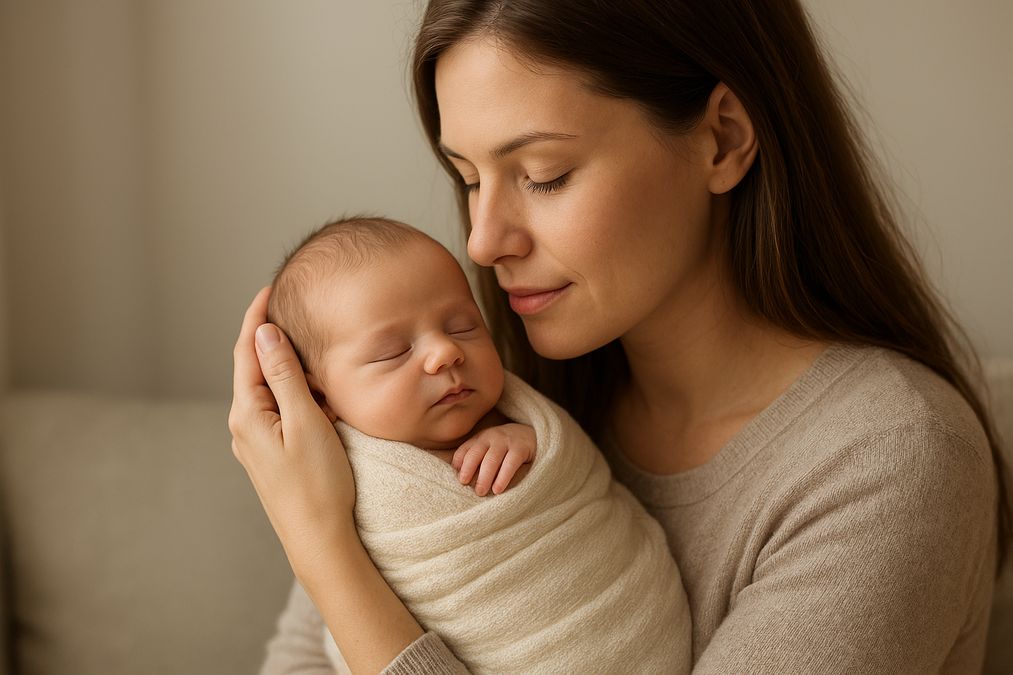
- Hands-on reassurance: Poses incorporating a parent’s hands offer stability and a powerful emotional narrative.
- Avoid advanced composites: Skip complex poses (e.g., unsupported froggy) and anything requiring strain or deep flexion.
Prop and surface safety
- Low height, broad base: Bowls and baskets only if broad, stable, and padded, with a spotter within inches.
- No hard edges on skin: Use layered padding and avoid rough textures.
- Temperature comfort: Fabrics pre-warmed and checked against your cheek to confirm they’re cozy, not hot.
Props, wardrobe, and temperature control
For NICU graduates, less is more. Choose soft, breathable fabrics and timeless neutrals that let your baby be the focus.
- Fabric choices: Organic cotton and bamboo blends are gentle on sensitive skin; skip wool if there’s any itch risk.
- Color palette: Soft creams, grays, gentle pastels, and earth tones complement delicate skin tones and reduce distraction.
- Clothing: Simple onesies, open-front sleepers, and wraps that don’t press on recent heel sticks or IV sites.
- Temperature: Keep the room comfortably warm (around 26–28°C) and bring a lightweight layer for caregivers.
- Accessories: Minimal headbands or snug caps only if baby tolerates them; no tight elastics.
Feeding, breaks, and a baby-led flow
Feeding is the heartbeat of a calm session. Expect a flexible, baby-paced flow—especially common after NICU discharge when feeding patterns are still maturing.
- Longer window: Plan 2–4 hours for a session so you never feel rushed.
- Feeding plan: Whether breastfeeding, bottle-feeding, or a combination, expect multiple breaks and burp time.
- White noise: Gentle shushing or white noise at safe decibel levels can help babies settle.
- Soothing toolkit: Pacifier (if used), extra burp cloths, and a backup outfit for everyone.
Involving parents and siblings—safely and meaningfully
Parent and sibling portraits can be extra special post-NICU. Keep them simple and well-supported.
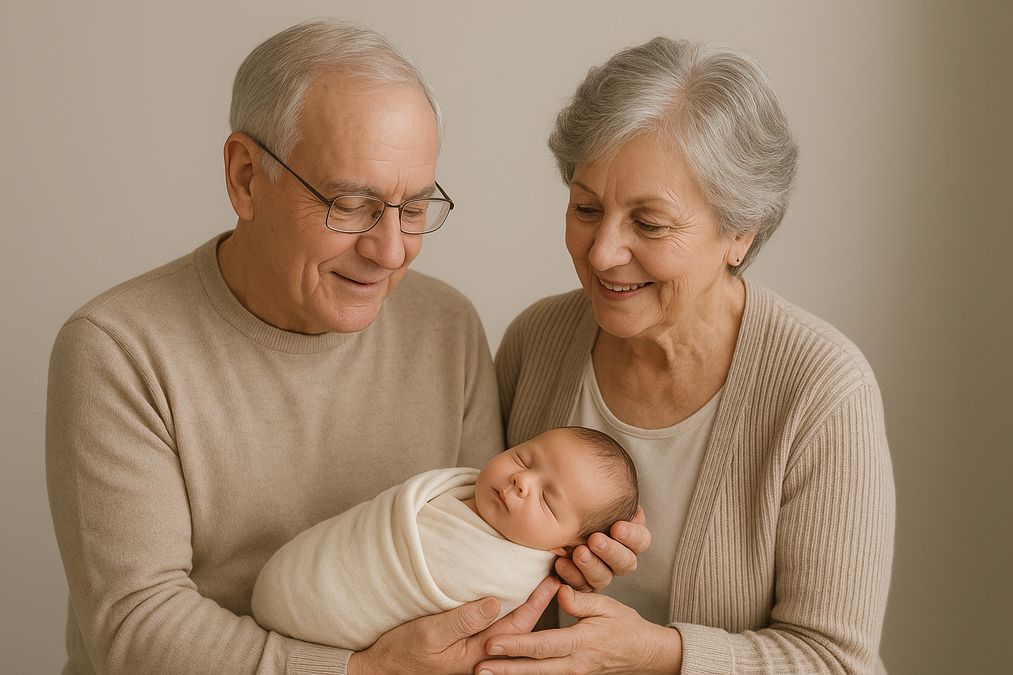
- Parent holds: Seated parent, supported arms, baby swaddled—beautiful, safe, and deeply emotive.
- Sibling comfort: For young siblings, have them seated or lying back on a padded surface with an adult spotter just off-frame.
- Clothing harmony: Soft neutrals, avoid heavy perfumes, and choose wrinkle-free fabrics with movement.
Your 2026 Toronto planning timeline
Use this simple roadmap to navigate your gentle NICU-grad newborn session.
8+ weeks before due date (or as soon as you’re ready)
- Research local specialists in newborn safety and NICU experience.
- Read expert roundups such as Top Rated Newborn Photographers in Toronto Canada: 2026 Guide.
At NICU discharge (or once home)
- Ask your care team for photo session readiness guidelines and any special considerations.
- Share medical notes (e.g., feeding schedule, reflux, hernias, or recent procedures) with your chosen photographer in confidence.
1–2 weeks post-discharge
- Book a tentative date with a flexible reschedule policy.
- Decide on studio vs. in-home, based on energy, travel tolerance, and air quality considerations.
3–7 days before the session
- Confirm room temperature plans, parking, elevator access (if applicable), and any mask preferences.
- Lay out outfits and pack a “session bag” with diapers, wipes, extra swaddles, milk, and a comfy change of clothes for caregivers.
Session day
- Keep your morning light and low-stress.
- Feed baby just before leaving for the studio or right as the photographer arrives in-home.
- Build in time for breaks—and give yourself grace.
How to choose the right Toronto photographer
NICU graduates benefit from experienced, safety-focused photographers. Look for these indicators:
- Specialization: Demonstrated experience with preemies or medically complex newborns.
- Safety training: Infant CPR/first aid, newborn safety coursework, and a clear safety policy you can review.
- Trauma-informed approach: Willingness to move slowly, keep setups simple, and stop if baby signals discomfort.
- Studio standards: Sanitation protocols, HEPA filtration, fresh linens for every client, and mask-on request options.
- Portfolio substance: Not just cute props—look for relaxed, well-supported, and naturally posed images where baby looks comfortable.
To see who local families trust for NICU-safe care, read Best Newborn Photography Services for NICU Babies Toronto 2026.
Budgeting in Toronto for 2026
Rates vary by photographer expertise, session type (studio vs. in-home), and what’s included (digital files, albums, wall art). For a NICU-aware, extended session with safety-first protocols, expect premium service reflecting the additional time and care required.
- Session fee: Often covers planning, the session itself, and proofing.
- Collections: Digital image sets, album options, framed prints, and wall groupings.
- Add-ons: Grandparent prints, birth announcements, or milestone mini-sessions at 3, 6, 9, and 12 months.
When you compare, look beyond price: safety credentials, flexibility, and how you feel in conversation with the photographer matter just as much as the final gallery.
Trusted photography services to consider
- Merry Pix: A photography service company offering high quality Maternity, Newborn, and Portrait Photography (and more) in their Richmond Hill, Ontario studio. Known for safety-forward workflows, meticulous sanitation, and gentle, baby-led posing for NICU graduates.
- Hospital-friendly approaches: Look for teams comfortable coordinating around post-discharge care and medical follow-ups.
- Album artisans: Providers with in-house design support to help you print and preserve your story with heirloom products.
Always confirm up-to-date safety practices for 2026, including rescheduling flexibility during flu season and responsiveness to any medical guidance you receive.
Sample session-day flow (NICU-grad, baby-led)
- Arrival and settling (15–20 minutes): Quiet hellos, quick hand hygiene, temperature check of the room, and review of your preferences.
- First feed and swaddle (20–30 minutes): Feed, burp, change, and a cozy swaddle if baby tolerates it.
- Simple, safe setups (30–45 minutes): Padded beanbag or bassinet with side-lying or back-lying poses; frequent micro-breaks.
- Parent portraits (20–30 minutes): Seated or standing, supported holds; keep pacing slow and soothing.
- Second feed and reset (20–30 minutes): Follow baby’s hunger cues; adjust wraps or wardrobe as needed.
- Final portraits (15–30 minutes): Detail shots (lashes, fingers, toes) and any sibling poses with a spotter and safety precautions.
What to bring (or have on hand) in 2026
- Feeding supplies: Enough formula or expressed milk for multiple feeds; extra bottles; burp cloths.
- Comfort items: Pacifier (if used), favorite swaddle, and a thin blanket from home for scent familiarity.
- Care kit: Diapers, wipes, diaper cream, extra onesies, and a spare top for each caregiver.
- Health essentials: Any pediatrician notes or guidelines relevant to positioning or breaks.
- Parent fuel: Water bottle, light snacks, and a phone charger.
Lighting and environment: making calm portraits
Gentle, directional light flatters tiny features without overwhelming sensitive eyes. In studios, softboxes and large diffusers create window-like light. In-home sessions often use natural window light with sheer curtains to soften contrast. Avoid flickering sources and loud music. Consistency and calm are your allies.
Common concerns—answered
“My baby still has sensitive skin. Is that okay?”
Yes. Your photographer should use soft, hypoallergenic fabrics and skip anything that could irritate healing skin. Poses will avoid pressure on recent IV sites or heel sticks.
“We’re on a strict feeding schedule.”
Great—share it. Sessions add buffer time specifically so we can protect your feeding plan and keep baby content.
“What if baby won’t sleep?”
Awake images can be beautiful, especially when swaddled and well-supported. The priority is comfort, not sleep at all costs.
“Can we include medical mementos?”
Absolutely—some families choose to document the journey with a photo of the hospital bracelet, knitted NICU hats, or a gentle nod to milestones achieved. Keep props minimal and meaningful.
Editing with sensitivity
Post-processing should preserve the truth of your baby’s features while gently refining temporary color variations and small skin flakes. Scars or medical tapes can be kept or diminished based on your preference. Communicate your wishes before the session and again during image selection.
From session to keepsakes
Once you’ve viewed your gallery, think about how you want to live with these images. Wall art in the nursery, an heirloom album for grandparents, or a storytelling collage chronicling discharge day to first family portrait—choose options that remind you daily of how far you’ve come.
A note on safety, ethics, and consent
Newborn photography is not medical care, and nothing here replaces guidance from your pediatrician. If your clinician suggests specific limits (e.g., no prone positioning, upright holding only, breaks every 30 minutes), share them with your photographer and follow them without exception. Consent matters—your baby’s signals are a language. The most meaningful images often happen when we listen closely.
Further learning and inspiration
Want to compare broader techniques and best practices across Canada? The overview in Safe Posing Techniques for Newborn Photography in Canada 2026 covers the fundamentals that guide gentle sessions from coast to coast. Curious which local studios shine for NICU-friendly care? Start with Best Newborn Photography Services for NICU Babies Toronto 2026. And if you’re mapping the broader landscape before choosing, the roundup Top Rated Newborn Photographers in Toronto Canada: 2026 Guide is a great resource.
Quick checklist: gentle NICU-grad session prep
- Get pediatrician clearance and share any positioning notes.
- Choose studio or in-home; confirm sanitation and air quality.
- Plan 2–4 hours with generous feeding breaks.
- Select soft, neutral outfits and swaddles.
- Keep the environment warm, calm, and lightly lit.
- Invite only essential caregivers; keep illness policies firm.
- Expect simple, supported poses that put comfort first.
Conclusion: Celebrate the journey, gently
Your baby’s first portraits after a NICU stay are not just pictures—they’re a love letter to resilience. With a gentle, safety-led plan and a photographer attuned to the needs of NICU graduates, you can create images that feel calm, honest, and deeply personal. Keep communication open, follow baby’s lead, and measure success by comfort and connection as much as by the final gallery.
Ready to plan a calm, safety-first newborn session in the GTA? Reach out to Merry Pix for compassionate, baby-led photography in their Richmond Hill, Ontario studio—or ask about in-home options designed around your family’s needs. Contact Merry Pix at https://www.merrypix.ca/contact/.